Lore of Mondstadt

Old Stormterrors Lair

The Land of Ice and Storms

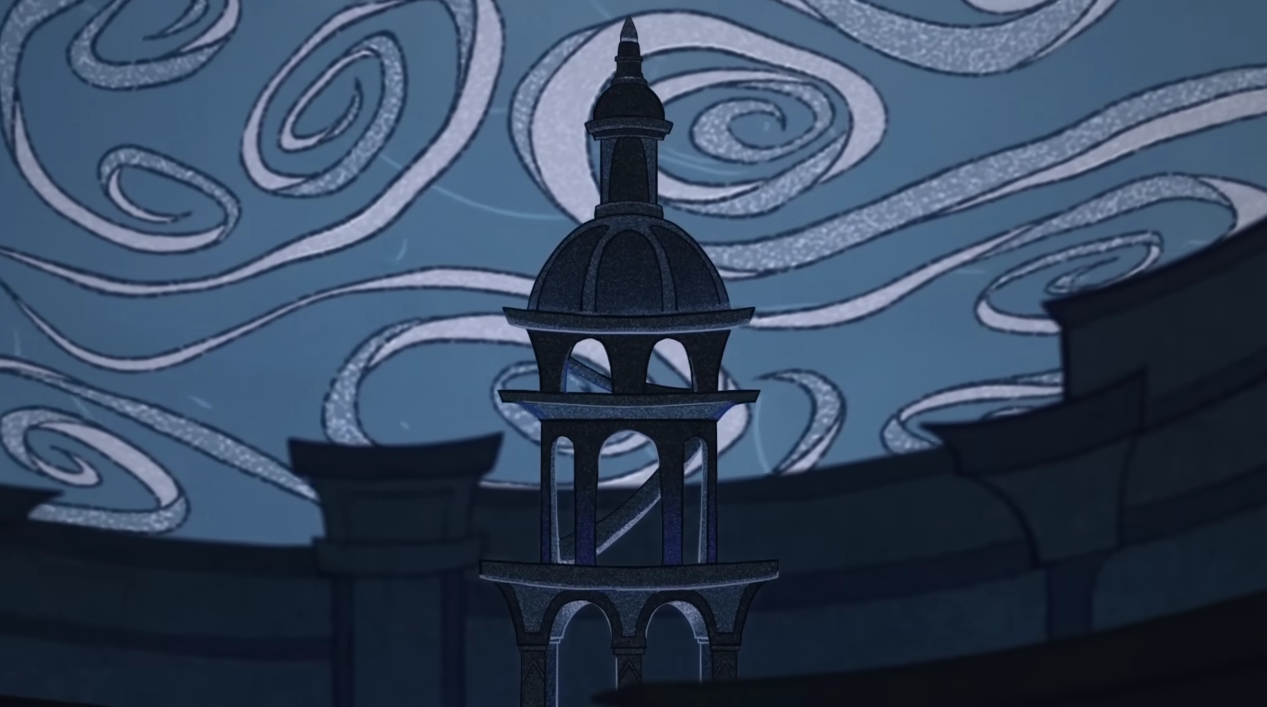
Mondstadt, the City of Freedom, was not always a land of gentle winds and open skies. In ancient times, the region was a place of bitter cold and endless storms, ruled by the God of Storms, Decarabian. Believing that his love for humanity required protection, Decarabian enclosed the people within an immense barrier of wind, isolating them from the outside world. Though intended as shelter, this storm became a prison. Crops failed, freedom vanished, and the people lived their lives confined beneath an unyielding sky.

The Rebellion

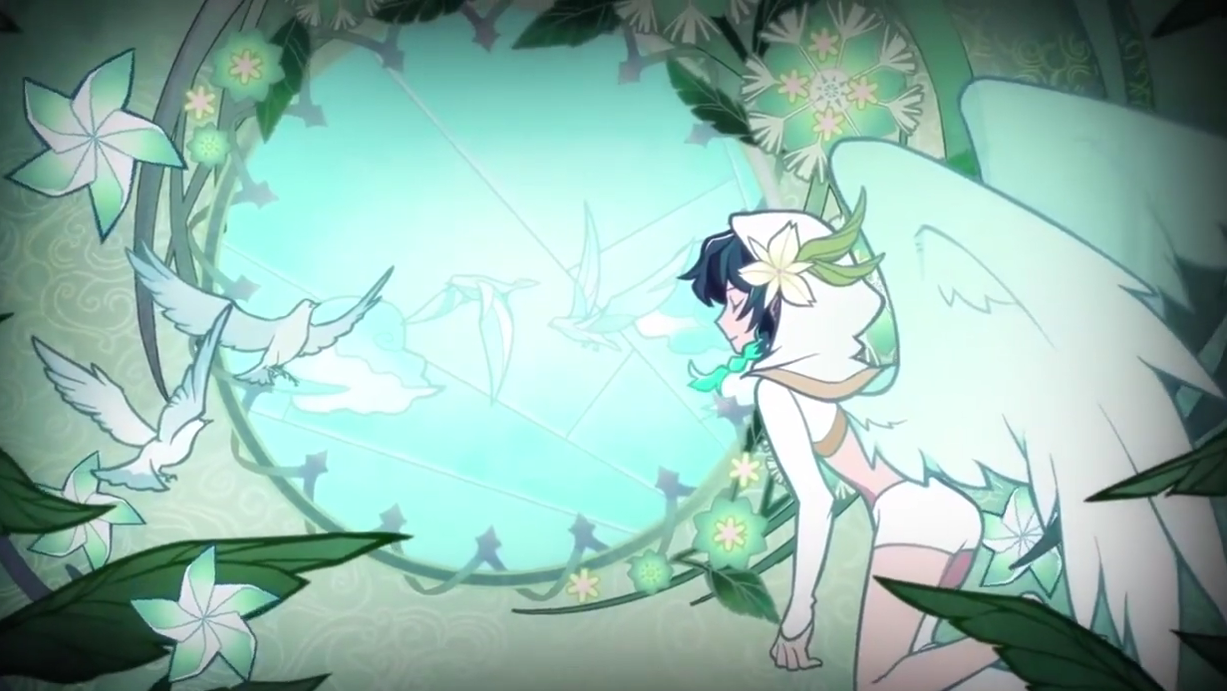
Among them lived a nameless bard who sang of distant lands, birds that flew without restraint, and a freedom no one had ever known. His songs reached a small, formless spirit of wind who listened from the margins of the world. Though weak and unseen, this wind spirit was moved by the bard’s dream and came to share his hope for a land without chains or walls.

Nameless Bard
Rebellion

In time, rebellion rose. Humans, the nameless bard, the wind spirit, and Andrius, the Wolf of the North Wind stood against Decarabian. The storm god fell, but not without tragedy. The bard lost his life in the struggle, his final song echoing as the wind barrier collapsed. Grieving and inspired, the wind spirit took on the bard’s form and voice, inheriting both his appearance and his ideals. From that moment, Barbatos, the Anemo Archon, was born.

Birth of Mondstadt

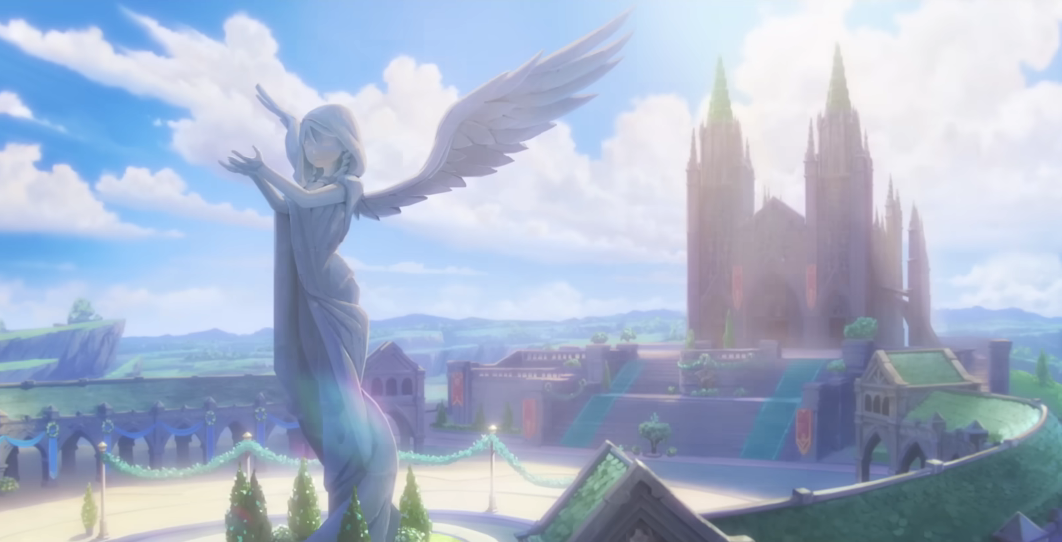
With the end of the Archon War, Barbatos became one of The Seven. Yet unlike the other gods, he refused dominion. He reshaped the land, scattering the ice and storms, flattening mountains, and allowing fertile plains to form. When his work was done, he withdrew, believing that true freedom could not exist under the constant gaze of a god. Thus, Mondstadt was founded not as a kingdom, but as a city entrusted to humanity itself.

Barbatos
Birth of mondstadt

Andrius, whose power brought eternal winter, realized that his presence would only bring suffering to mortals. Choosing compassion over rule, he relinquished his physical form and became a lingering spirit, watching over the land as one of the Four Winds. Alongside him stood Dvalin, the Dragon of the East Wind, Barbatos’s closest companion; the Falcon of the West, symbol of justice; and the Lion of the South, representing the courage of Mondstadt’s people. Together, they formed a pact to protect the city without ruling it.

The Aristocracy

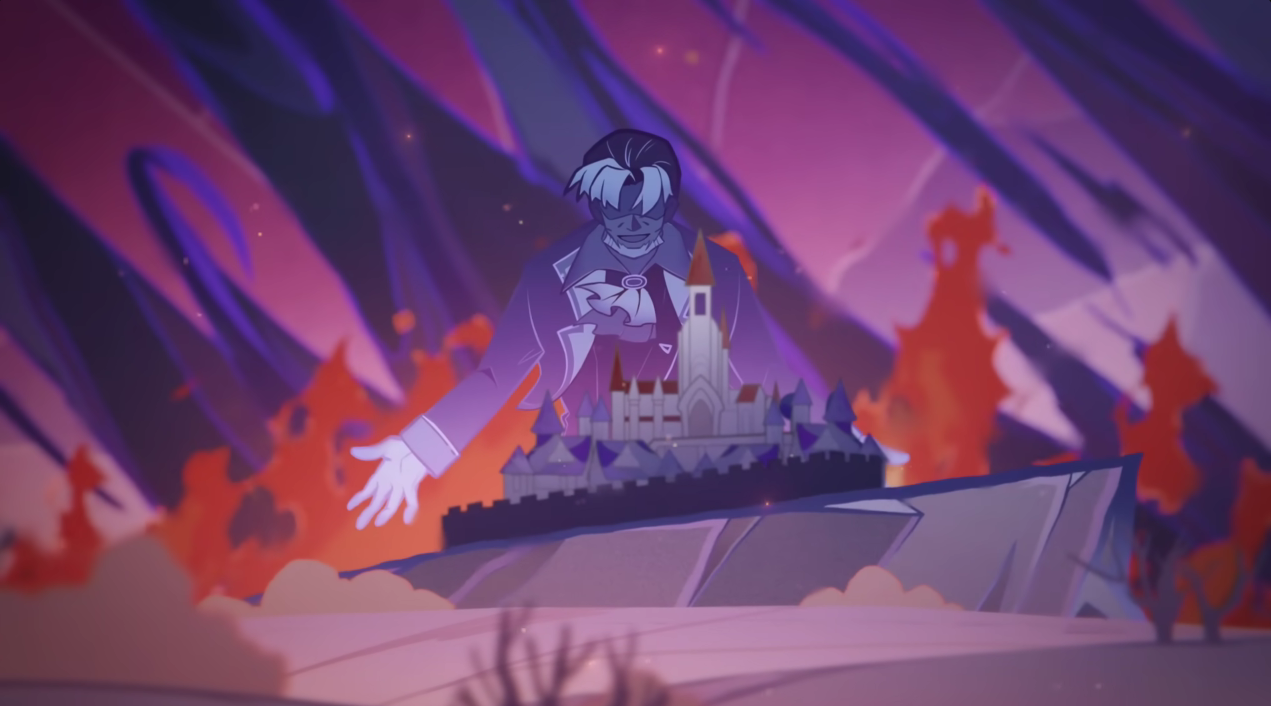
Centuries passed, and Mondstadt’s ideals were slowly corrupted. Noble clans, chief among them the Lawrence family, seized power and enslaved the common people. Freedom became a privilege of birth rather than a right. Barbatos remained absent, holding fast to his belief that humanity must save itself. Mondstadt fell into tyranny once more, not by divine will, but by human hands.

Aristocracy
Vannessa

Arrival of Vannessa

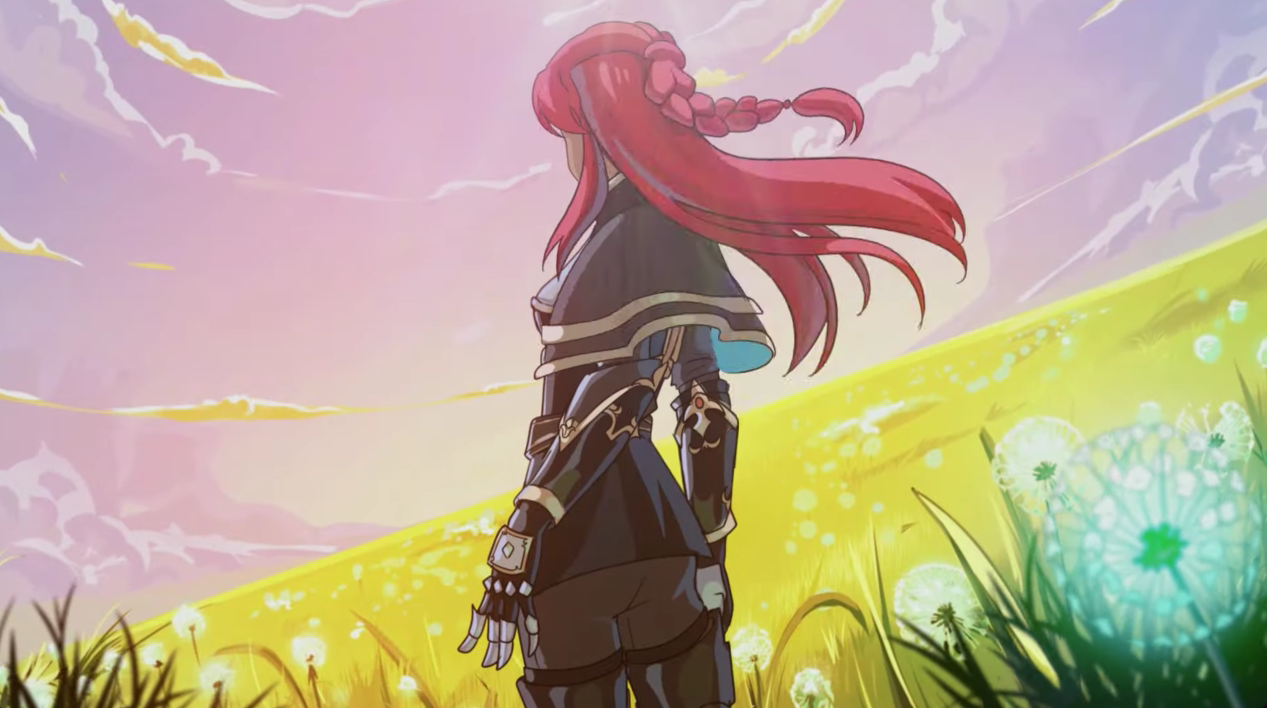
Salvation came in the form of Vennessa, a slave forced to fight as a gladiator. Her strength, resolve, and unyielding spirit ignited rebellion. Aided by allies and guided by Barbatos, who walked among the people in mortal disguise, Vennessa overthrew the aristocracy. Slavery was abolished, and the Knights of Favonius were founded to safeguard Mondstadt’s freedom. Upon her death, Vennessa ascended to Celestia, becoming the Falcon of the West and a symbol of humanity’s potential to rise beyond oppression.

The Cataclysm

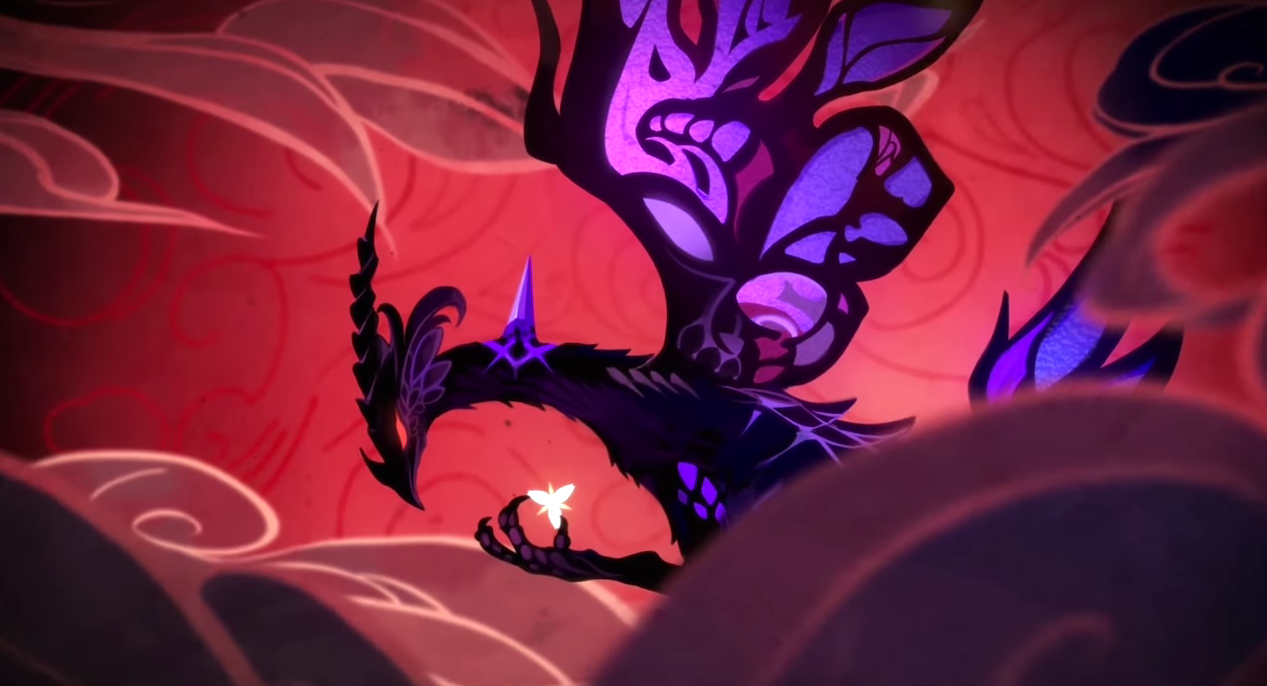
Five hundred years ago, disaster struck during the Cataclysm. Abyssal corruption spread across Teyvat, and Dvalin was poisoned while defending Mondstadt. Wounded and misunderstood, he was shunned by the people he sought to protect. Betrayal and pain twisted his mind, and he became known as Stormterror, lashing out at the city in anguish. Once again, Barbatos slept, leaving Mondstadt to endure the consequences of both divine and human failings.

Corrupted Dvalin
Modern mondstadt

Modern Mondstadt

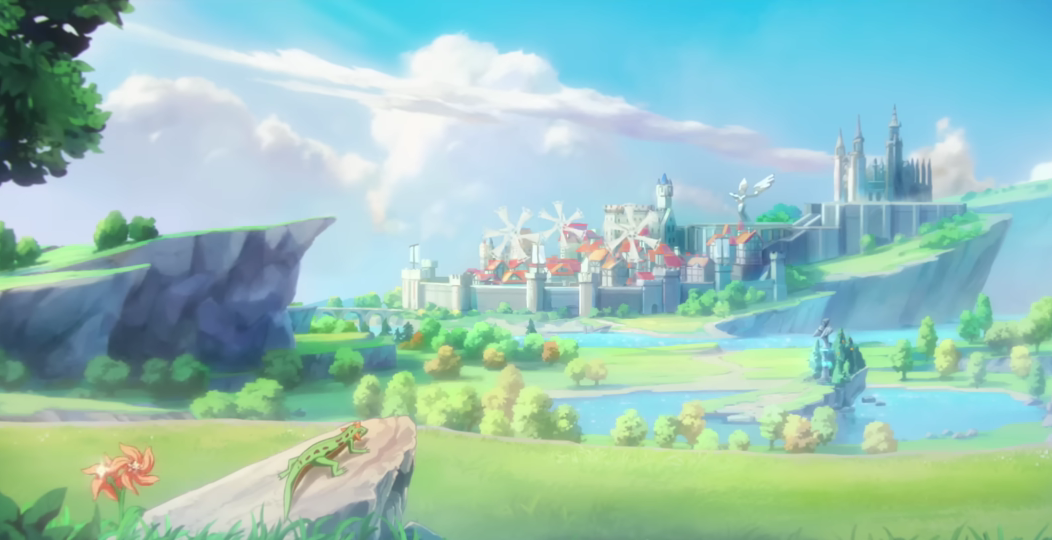
In the present era, the arrival of the Traveler marked a turning point. Through courage and compassion, Dvalin was freed from corruption rather than slain. Barbatos revealed himself once more as Venti, reaffirming his refusal to rule and his trust in humanity. Mondstadt survived not through divine command, but through unity, choice, and forgiveness.

Thus, Mondstadt endures as a city defined not by its walls or rulers, but by its philosophy. Freedom is not given, it is chosen, protected, and sometimes lost. The wind carries songs of the past across its plains, reminders that love without control, power without dominion, and faith in humanity are the true foundations of the City of Freedom.

Modern mondstadt