Lore of Sumeru

Rukkhadevata

The beginning

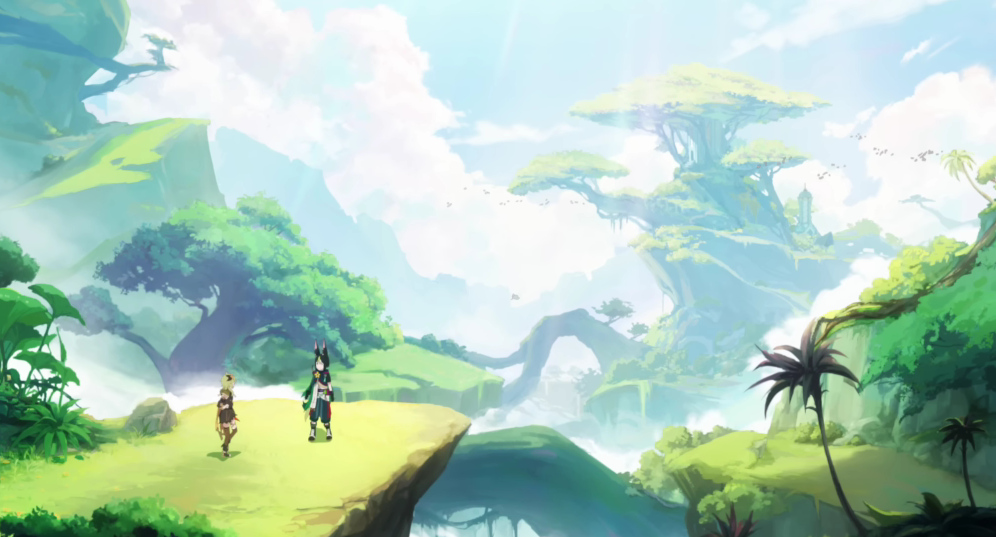
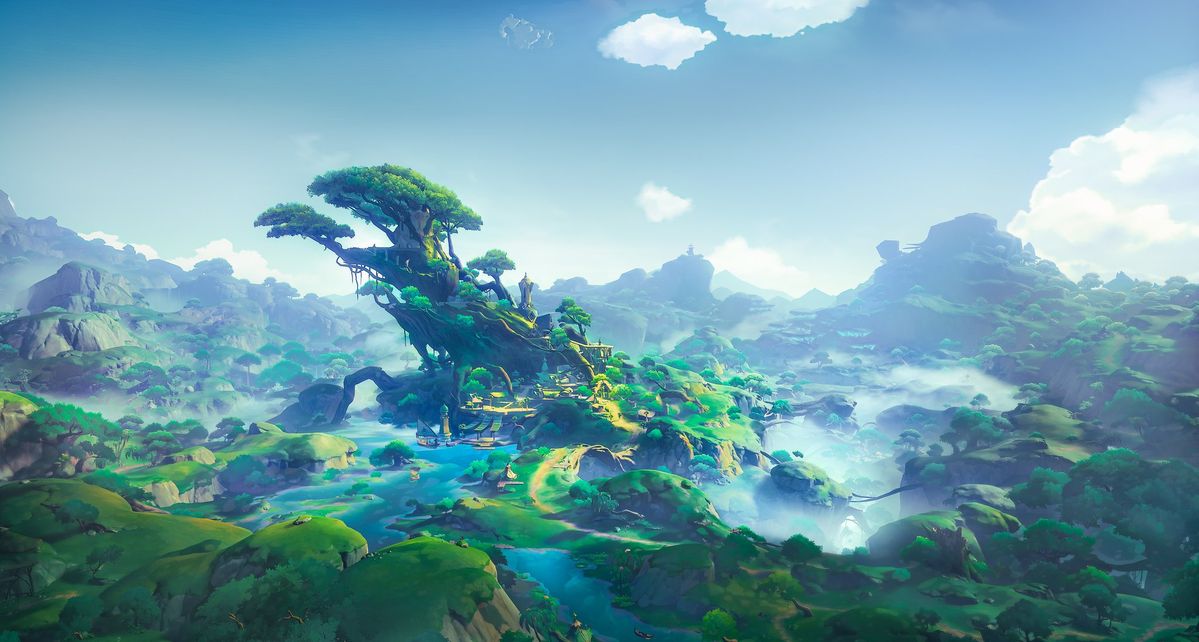
Sumeru is a land where knowledge is revered above all else, a nation shaped by wisdom, memory, and the pursuit of truth. Its landscape reflects this dual nature: vast rainforests heavy with life and ancient ruins, and arid deserts marked by forgotten civilizations and buried gods. From the earliest days, Sumeru was defined by the belief that understanding the world was the highest virtue, and that through knowledge, humanity could rise above chaos.
Old Sumeru

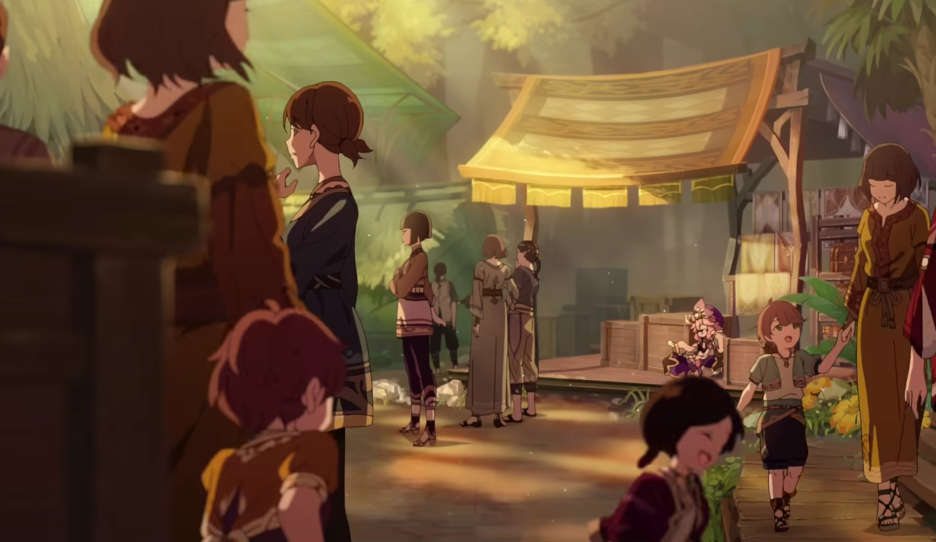
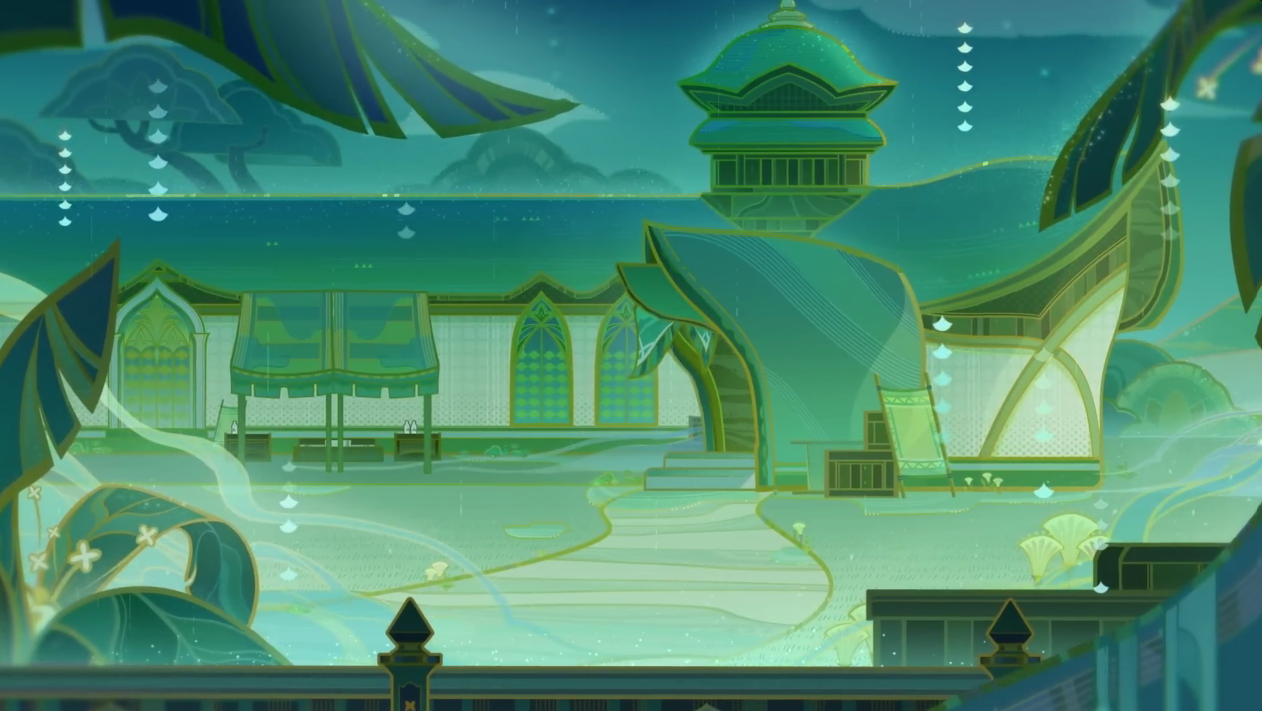
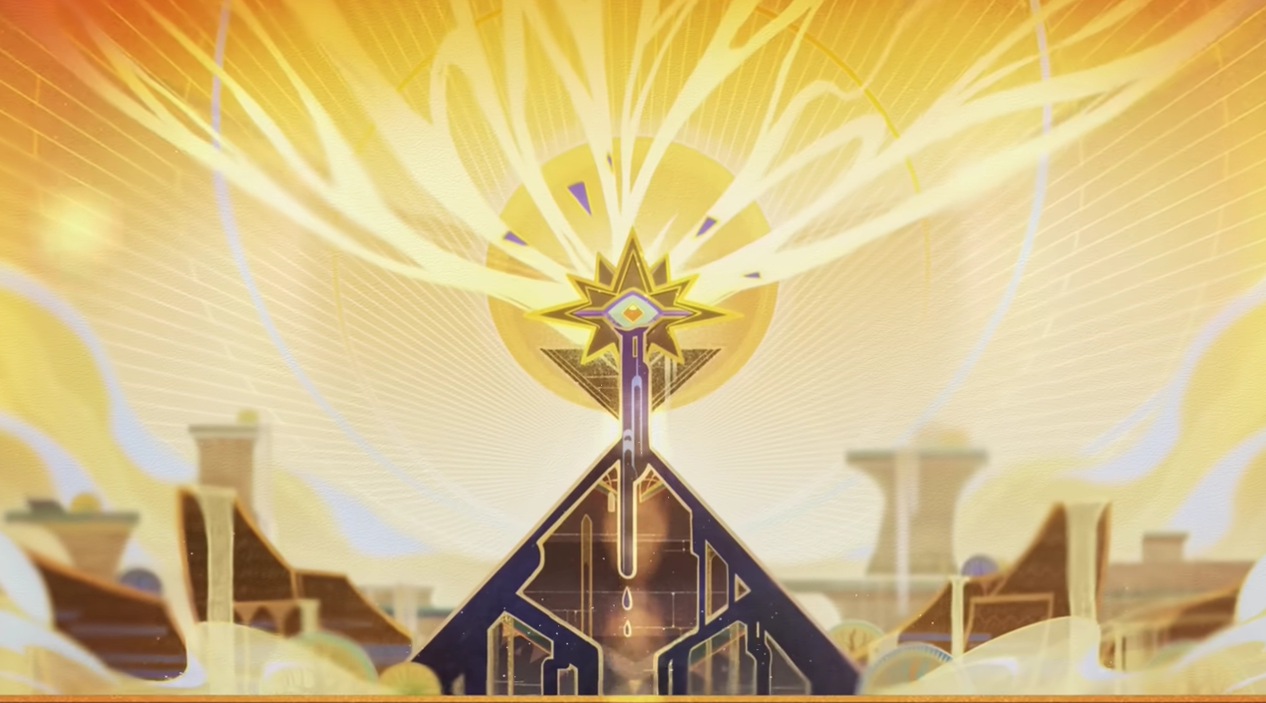
In ancient times, the region was guided by the God of Wisdom, Greater Lord Rukkhadevata. She nurtured Sumeru’s people, teaching them language, agriculture, philosophy, and the foundations of learning. Under her guidance, knowledge became not merely a tool for survival, but a sacred pursuit. Forests flourished, cities rose, and the Akademiya was established as the center of scholarship, tasked with collecting, preserving, and advancing all wisdom known to the world.

Old Sumeru
Old Sumeru

Yet knowledge carried danger alongside promise. The desert regions bore the remnants of older civilizations that had once challenged the heavens themselves, seeking forbidden power and divine authority. Their downfall served as a silent warning: wisdom without restraint could lead to ruin. Still, the allure of absolute understanding lingered, hidden beneath the sands.

The Cataclysm

Five hundred years ago, during the Cataclysm, disaster struck Sumeru as it did all of Teyvat. Forbidden knowledge from beyond the world poured forth, corrupting minds and twisting reality itself. To protect her people, Greater Lord Rukkhadevata sacrificed herself, erasing her own existence to contain the corruption. In her place arose Lesser Lord Kusanali, a newly born Archon whose consciousness carried fragments of her predecessor’s will.

Sacrifice
Nahida

Corrupted Sumeru

In the aftermath, Sumeru changed. The Akademiya, once devoted to enlightenment, grew rigid and dogmatic. Knowledge became something to be controlled rather than shared, and wisdom was measured by conformity rather than insight. Lesser Lord Kusanali, though the rightful Archon, was confined and ignored, regarded as incomplete and unworthy by the scholars who claimed to serve the ideal of wisdom.

As the years passed, the people of Sumeru became increasingly reliant on the Akasha System, a network that distributed knowledge directly into the minds of its users. While it eased learning and communication, it dulled curiosity and independent thought. Wisdom became passive, and the pursuit of truth was replaced by the comfort of certainty. Meanwhile, the desert people, descendants of those once cast aside, were marginalized and forgotten, their history dismissed as dangerous or irrelevant.

Corrapted Sumeru
Breaking free

Breaking free

The arrival of the Traveler marked a turning point. Through their actions, the truth of Rukkhadevata’s sacrifice was revealed, the Akademiya’s corruption was confronted, and Lesser Lord Kusanali was freed from confinement. The Akasha System was dismantled, returning the burden—and privilege—of learning to the people themselves. In accepting her role, Kusanali embraced a new understanding of wisdom: not as accumulation alone, but as empathy, growth, and the courage to question.

Modern Sumeru

Today, Sumeru stands at the threshold of renewal. Scholars relearn how to seek knowledge with humility, the rainforest and desert begin to reconcile their shared history, and the nation looks forward rather than clinging to the illusions of the past. Wisdom is no longer treated as an unquestionable authority, but as a living pursuit shaped by experience, reflection, and compassion.

Modern Sumeru
Modern Sumeru

Sumeru endures as a testament to the idea that true knowledge is not found in control or perfection, but in understanding one’s limits. In its libraries and ruins, its forests and sands, the nation continues its search for truth—not as a destination, but as an ever-evolving journey shared by gods and mortals alike.